White label manufacturing is a production model in which a manufacturer develops a finished product that multiple brands can repackage and sell under their own name. The formulation is created, tested, and owned by the manufacturer, allowing brands to bring products to market without investing in custom R&D.
For supplement and botanical brands, white label manufacturing provides a streamlined path to launch. Instead of building a formula from the ground up, companies select from a catalog of ready-to-produce products that meet established quality and compliance standards. This reduces development timelines, lowers upfront investment, and simplifies operational complexity; particularly in regulated categories like liquid supplements.
What Is White Label Manufacturing?
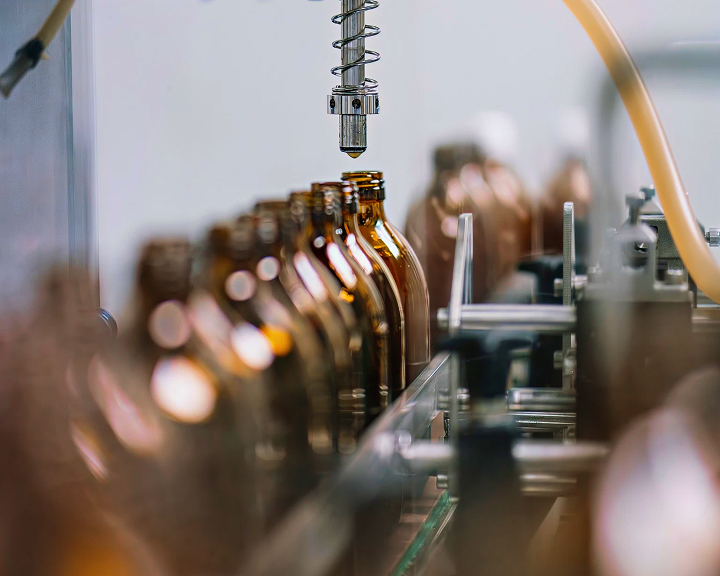
In a white label model, the manufacturer handles formulation development, ingredient sourcing, stability testing, and production setup long before a brand enters the picture. These formulations are standardized and validated under defined manufacturing protocols, often within GMP-certified facilities.
A brand then selects from available product options and customizes the external elements; including labeling, packaging design, and marketing. The core formula remains unchanged, while the brand builds its positioning, messaging, and distribution strategy around the finished product.
This approach eliminates the need for internal R&D teams, sourcing negotiations, and formulation troubleshooting. For brands focused on speed and efficiency, white label manufacturing removes many of the barriers associated with product launch.
Why Brands Choose White Label Manufacturing
White label manufacturing appeals to brands that prioritize momentum. In competitive supplement markets, speed matters. Trends evolve quickly, ingredient demand shifts, and consumer interest can surge in short cycles.
By leveraging pre-developed formulations, brands can respond to these shifts without waiting months for formulation development or stability testing. White label manufacturing also reduces capital exposure, making it an attractive option for early-stage founders, influencer-led brands, and companies testing new categories.
Advantages of White Label Manufacturing
- Faster time to market
- Lower upfront financial investment
- Simplified product development
- Reduced regulatory complexity
- Predictable production timelines
- Lower operational overhead
When structured properly within a quality-controlled environment, white label manufacturing can provide reliable, compliant products that meet market expectations.
Common White Label Botanical Products
In botanical and liquid supplement manufacturing, white label offerings often focus on well-researched, high-demand herbs. These ingredients carry strong consumer recognition and are frequently associated with specific functional benefits.
Below are examples of herbal categories that perform well in white label formats.
Adaptogenic Herbs
Adaptogens continue to lead growth in stress, cognition, and immune support categories. White label products commonly feature:
These herbs are widely recognized for supporting stress resilience, focus, and immune balance. Because of their popularity and established research profiles, they translate well into ready-to-market formulations.
Digestive & Metabolic Support
Digestive health remains a consistent driver of supplement demand. White label botanical products often include:
These ingredients are frequently used in liquid extracts and functional blends targeting digestive comfort, inflammation support, and metabolic balance.
Cardiovascular & Nervous System Support
Certain botanicals maintain steady demand in heart health and relaxation categories, including:
These herbs are often incorporated into calming or circulatory-support formulas designed for broad consumer appeal.
By offering standardized formulations featuring established botanicals, white label manufacturing allows brands to participate in proven product categories without developing new ingredient systems.
White Label Manufacturing and GMP Compliance
One of the most important factors in white label manufacturing is production oversight. Quality systems determine whether a white label product supports long-term brand credibility.
Reputable white label manufacturers operate within GMP-certified facilities, implementing batch testing, ingredient verification, lot traceability, and documented quality control procedures. These safeguards protect both the brand and the end consumer.
When evaluating white label partners, understanding what GMP certification means, and how it impacts production, is essential. Quality infrastructure is not optional in regulated supplement markets; it is foundational.
How to Evaluate a White Label Manufacturing Partner
Not all white label programs are equal. A strong partner should demonstrate:
- GMP-certified operations
- Transparent ingredient sourcing
- Batch-level traceability
- Clear documentation processes
- Scalable production capacity
- Responsive communication
White label may simplify formulation, but manufacturing discipline still determines long-term brand reputation.
White Label Manufacturing with Yellow Emperor
If you’re considering white label manufacturing for botanical or liquid supplements, choosing the right production partner matters. Quality systems, ingredient sourcing, and compliance oversight directly impact your brand’s credibility.
At Yellow Emperor, we combine GMP-certified manufacturing with decades of liquid extraction expertise; so your product launches on solid ground.
Request a quote to explore our white label formulations.